
National Puzzle Day: Why Puzzles Belong in Every Home (Especially Yours)
There’s something quietly powerful about a puzzle.
National Puzzle Day is a perfect excuse to slow down, clear a table, and sit with something that doesn’t demand urgency—just presence. One piece at a time. One connection after another. No notifications, no pressure to be perfect, just the steady satisfaction of figuring things out together.
At 18 August Ave, we believe puzzles are more than a rainy-day activity. They are tools for learning, regulation, bonding, and joy especially for children and families navigating busy, overstimulated lives.
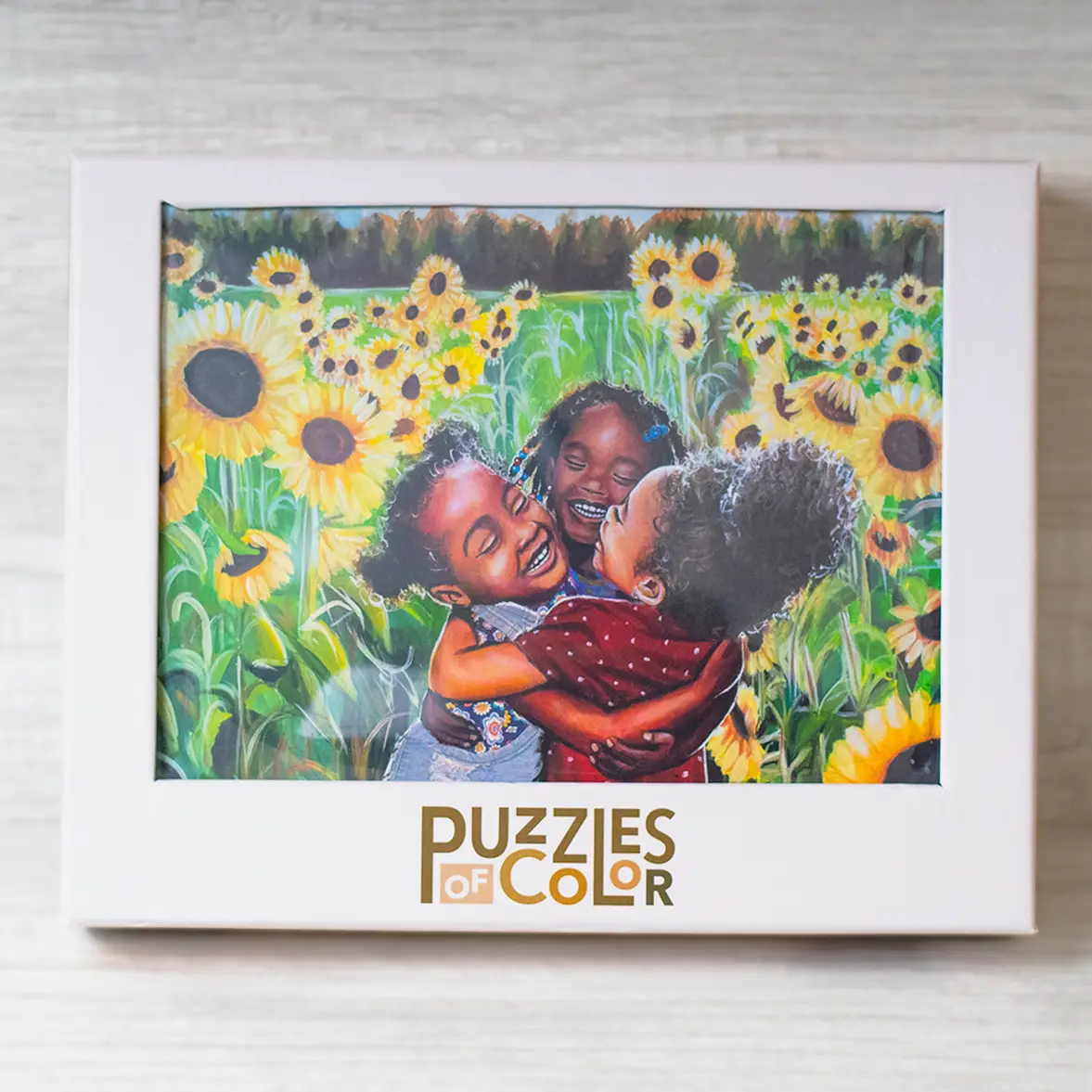
Experience endless joy with our 'Sunflower Smiles' puzzle—a delightful 500-piece adventure celebrating happiness and diversity! Perfect for family gatherings or solo relaxation time, this puzzle brings warmth and togetherness to every moment.
Bright and playful 500-piece puzzle featuring a joyful scene of children among sunflowers.
High-quality puzzle pieces ensure durability and a perfect fit for hours of family fun.
Designed to celebrate diversity, fostering inclusion and togetherness in family activities.
Bring smiles and foster deeper connections with your family as you piece together this vibrant picture. Celebrate the joy and diversity that unite us all!
Why puzzles matter (at every age)
Puzzles support so many of the skills we want to nurture in kids without feeling like “work.”
For young children, puzzles help with:
Fine motor skills (pinching, grasping, placing)
Spatial awareness and shape recognition
Early problem-solving and patience
For older children and teens, puzzles encourage:
Critical thinking and strategy
Perseverance through challenge
Focus and sustained attention
And for adults? Puzzles offer something just as important:
A break.
A reset.
A chance to be fully present.
There’s something grounding about working toward a shared goal especially in a world that often feels fragmented.
Puzzles as a wellness practice
We talk a lot about wellness, but it doesn’t always have to look like meditation cushions or structured routines. Sometimes wellness is sitting at the kitchen table after dinner, sleeves rolled up, quietly working on something together.
Puzzles can:
Help regulate emotions after a long day
Offer a low-pressure way to connect (especially for kids who don’t always want to “talk”)
Create space for collaboration rather than competition
For families, puzzle time often becomes a ritual, something familiar and comforting. A reminder that it’s okay to move slowly.
Representation and intention matter
Just like books, puzzles tell stories too.
We’re intentional about the puzzles we highlight, looking for ones that reflect diverse families, cultures, environments, and ways of being. When children see themselves reflected in the images they engage with, it reinforces belonging and confidence.
Puzzles can spark conversations:
“What do you notice?”
“Who do you think lives here?”
“What story do you imagine is happening?”
These moments build narrative skills and curiosity without a worksheet in sight.
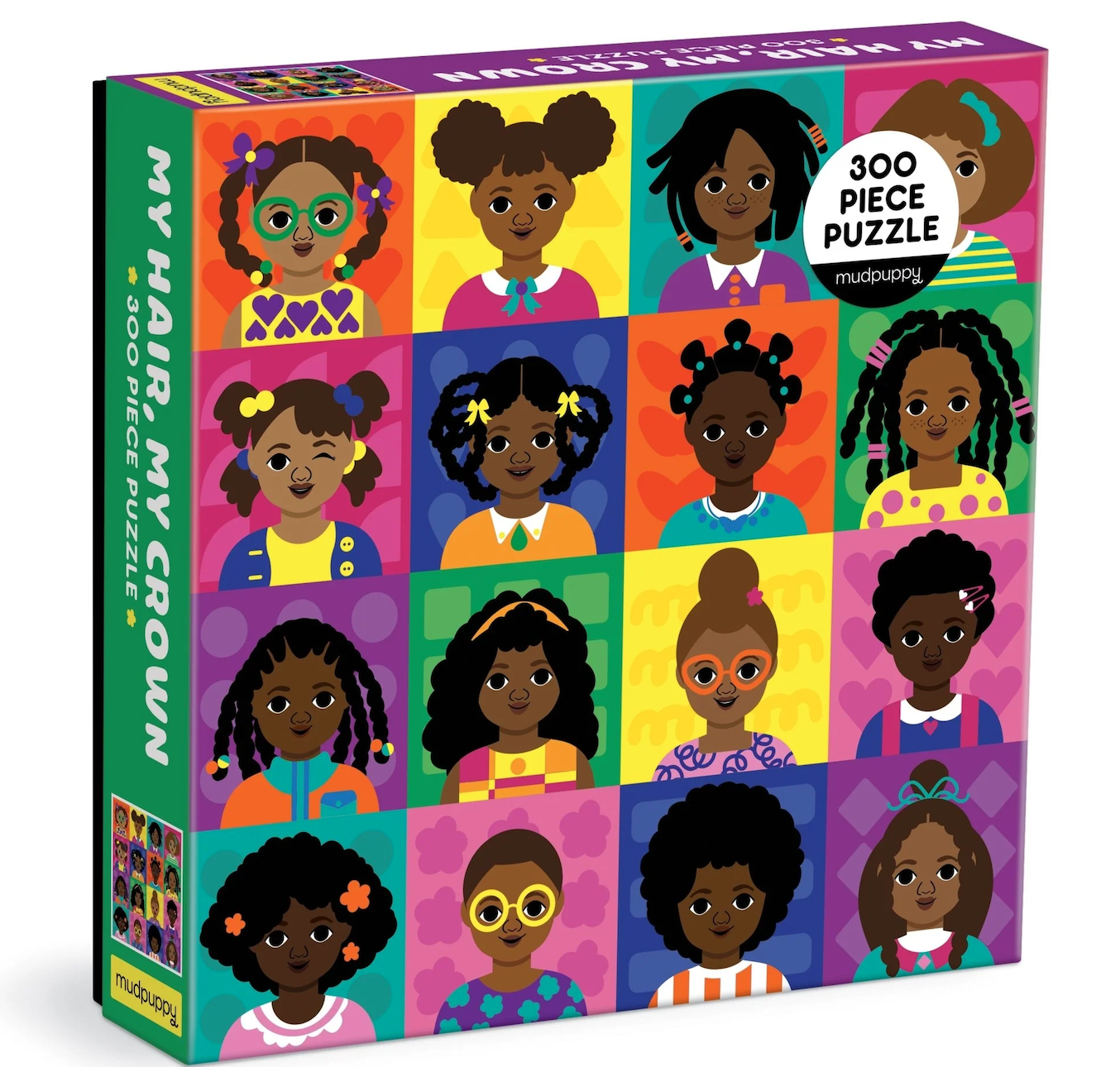
My Hair, My Crown 300 Piece Family Puzzle from Mudpuppy features bright and bold illustrations of a diverse range of beautiful Black hairstyles. Mudpuppy puzzles are packaged in matte-finish
Making puzzles part of your family rhythm
If puzzles aren’t already part of your routine, National Puzzle Day is a great place to start. A few gentle ideas:
Keep a puzzle out on a low table so it’s always available
Work on it in short bursts—five minutes counts
Let kids lead, even if the pieces aren’t perfect
Pair puzzle time with cozy music, tea, or snacks
There’s no right way to do it. The goal isn’t finishing fast—it’s enjoying the process.
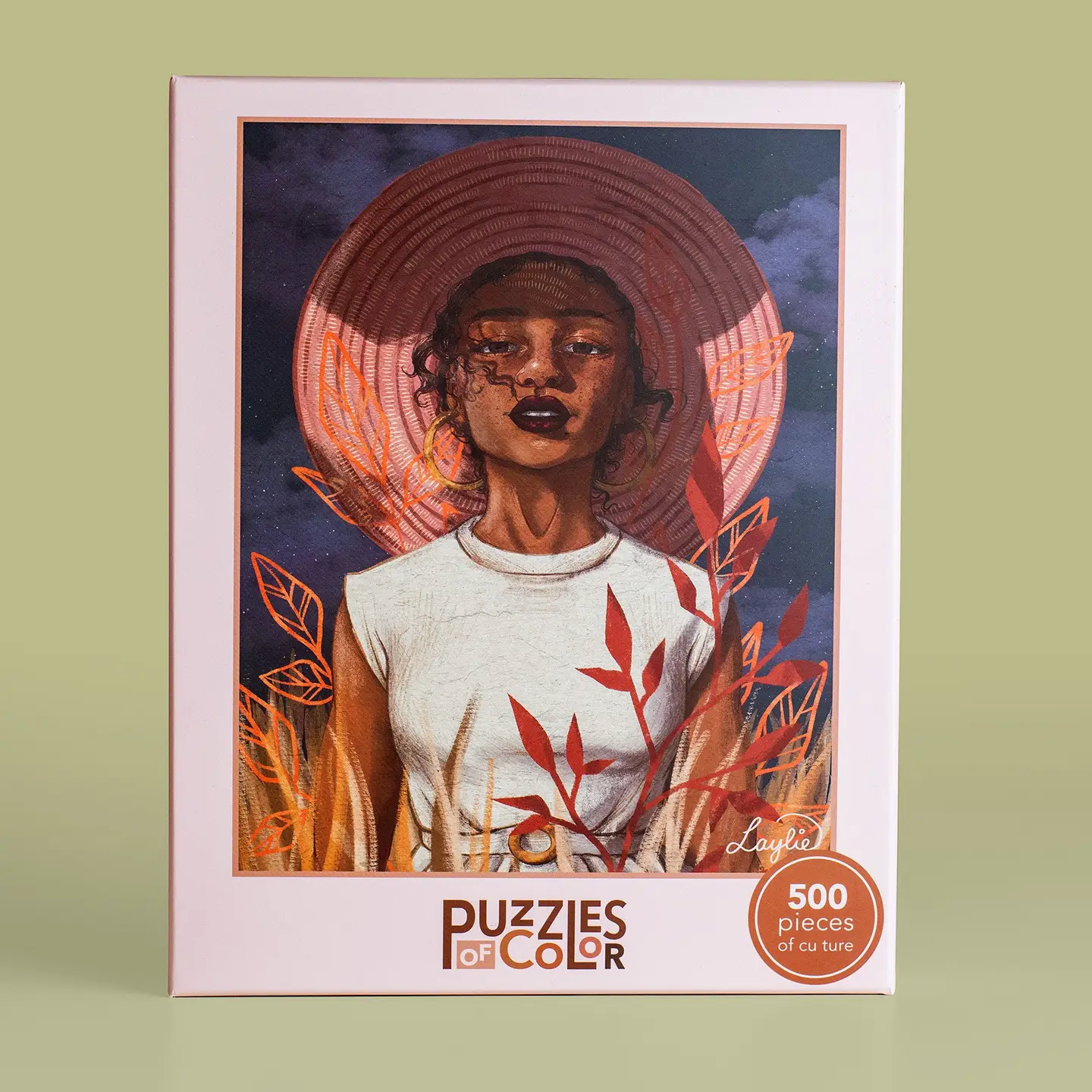
Dive into a world of vibrant beauty with the Puzzles of Color 500-Piece Puzzle. Perfect for family fun while celebrating diverse cultures.
500-piece puzzle, ideal for brain exercise and quality time.
Features stunning art celebrating BIPOC culture.
Eco-friendly materials with vibrant, high-quality print.
Unlock a world of creativity and inclusion with every piece. Enjoy enriching family moments while celebrating the diverse beauty of culture and art.
If I am worth anything later, I am worth something now. For wheat is wheat, even if people think it is grass in the beginning.” - Vincent Van Gogh. “Harvest” illustrates the intensity of waiting. As she stands still facing the sun, her face is partially protected by the brim of her hat waiting for something to change. Her stance is confident. Her eyes are knowing. The mouth always ready to spell. In this piece, the artist pulls inspiration from the eternal existence of the wheat plant. Laylie combines texture, color, and pattern to create a warm and expressive portrait. Soft-gloss finished, precision cuts on sturdy cardboard with minimum dust.
Explore our puzzle picks
To celebrate National Puzzle Day, we’re highlighting a curated selection of puzzles on our website that support learning, creativity, and connection. Whether you’re shopping for a toddler, a growing reader, or a family activity you can enjoy together, we’ve chosen pieces that feel thoughtful, engaging, and lasting.
Consider adding a puzzle to your home library alongside your books—it’s another way to build a space that invites curiosity and care.
Because sometimes, the most meaningful moments come together slowly—one piece at a time.
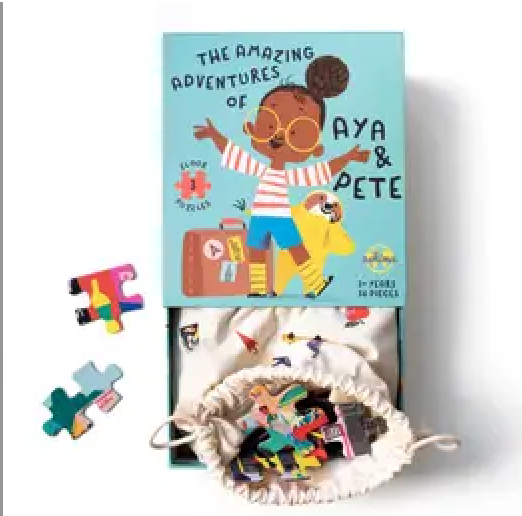
✨ Happy National Puzzle Day.
